Leanne Hepburn Media assets
Ocean literacy, systems thinking.
Leanne Hepburn is an Honorary Professor of Education and Environment at the University of Essex. She is an educator, speaker and founder of The Ocean Literacy Project CIC. Her work focuses on ocean literacy, systems thinking, interdisciplinary education and helping people reconnect with the natural world that supports life and society.
media enquiries


ABOUT LEANNE
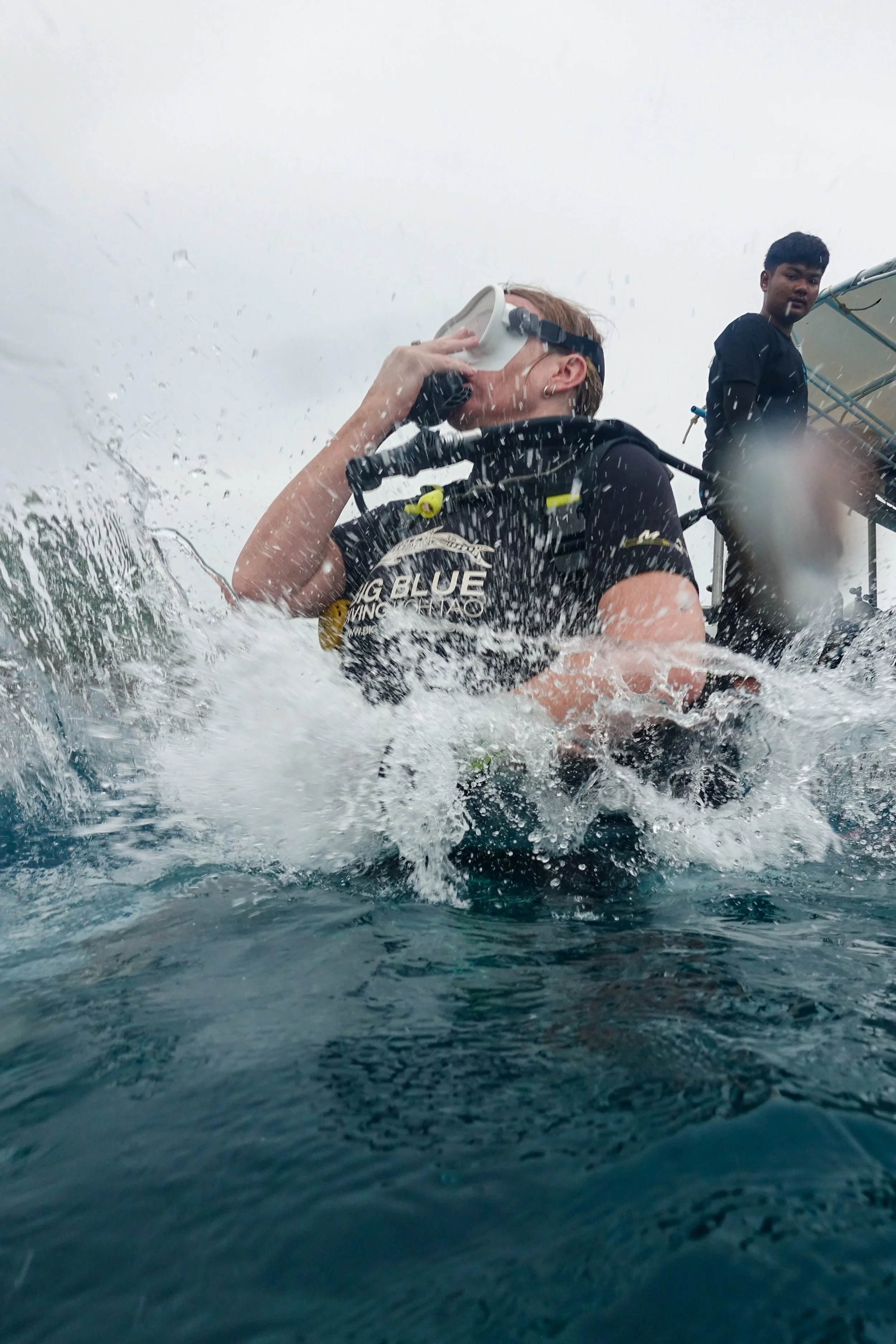
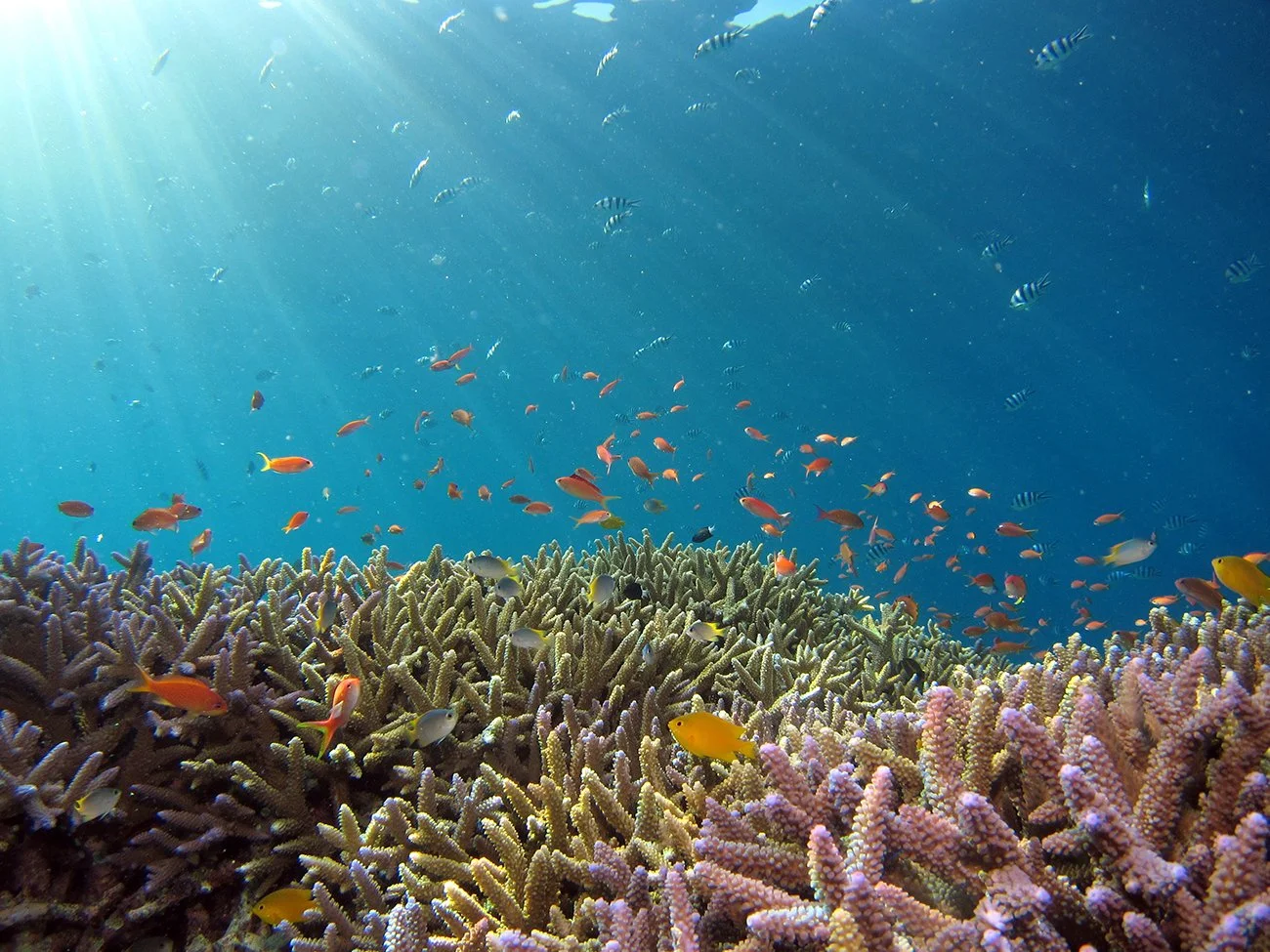
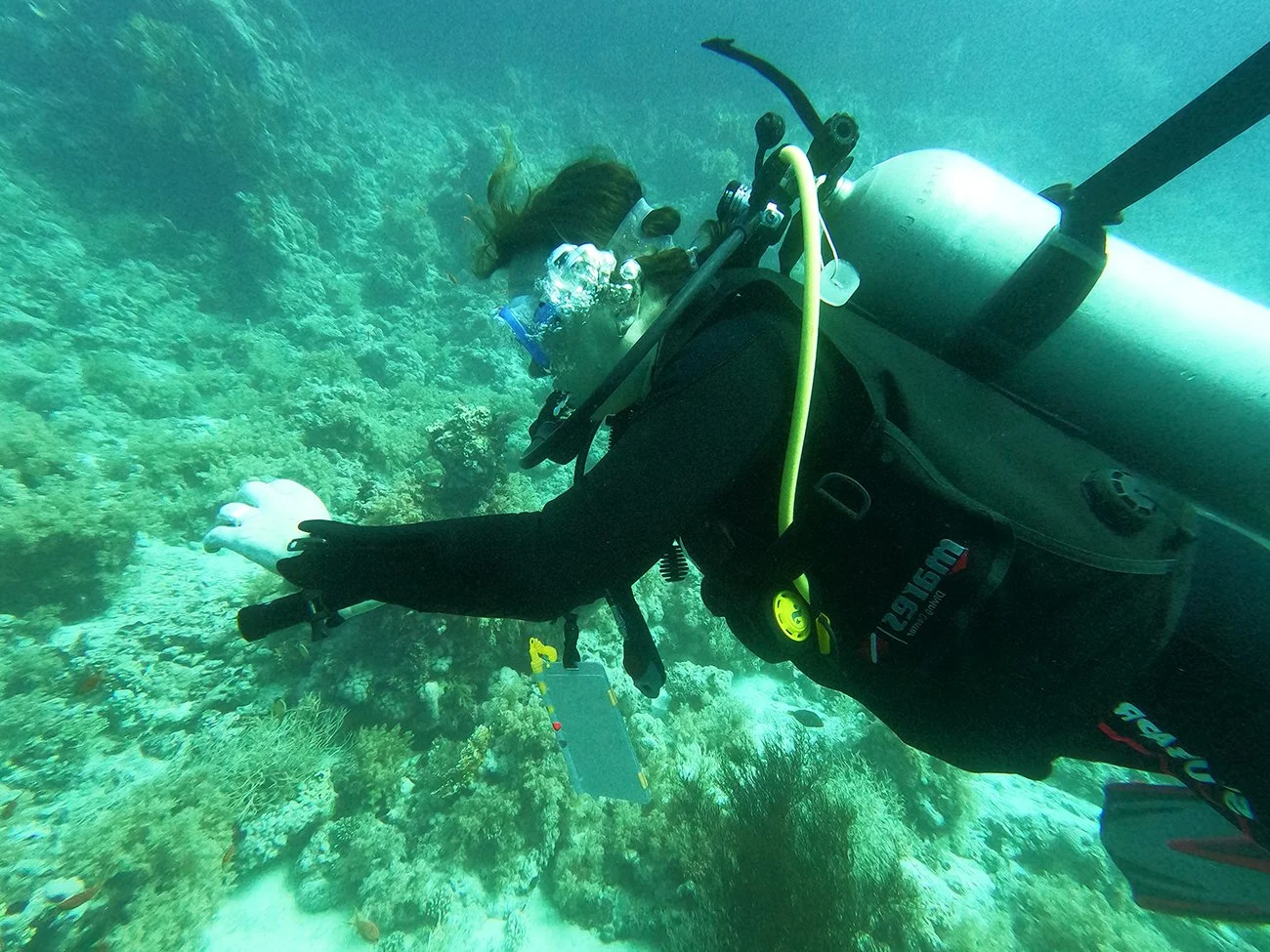
Professor Leanne Hepburn has spent decades working across the UK, Europe, the Caribbean and the Indo-Pacific on marine research and education, from coral reefs of Indonesia to oysters on the Essex coast, UK, she has worked to educate and protect habitats. She now works on ocean literacy, sustainability education, systems thinking and leadership. With nearly two decades in higher education and senior leadership, she now works to translate complex environmental knowledge that can inform leadership, education and public understanding across society. Leanne’s work is about helping people make sense of complexity, reconnecting environment, education, leadership and human wellbeing in ways that feel practical and hopeful.
Through her role at the University of Essex as Professor of Education and Environment, she designed and developed the university’s first truly interdisciplinary BSc Global Sustainability, held senior management roles, including Director of Education, as well as contributing to the development of the institutional sustainability strategy.
Leanne founded The Ocean Literacy Project CIC as she identified a gap in how ocean literacy could be scaled across society. Ocean literacy is important at this moment as we are entering a period of rapid expansion in ocean industries, investment and decision-making, from offshore energy and shipping to seabed extraction, aquaculture and coastal development. The Ocean Literacy Project exists to connect science, leadership and education and to embed ocean understanding into the places that shape society.
CORE THEMES & EXPERTISE
-
Exploring how ocean systems shape climate stability, economies, food systems and societal resilience.
-
Helping people understand complexity, interconnection and decision-making in an uncertain world.
-
Designing learning that prepares people for interconnected environmental, social and economic challenges.
-
Leadership in the context of complexity, interdependence and systemic change.
-
Rebuilding relationships with the living world.
-
Connecting knowledge across disciplines and sectors.